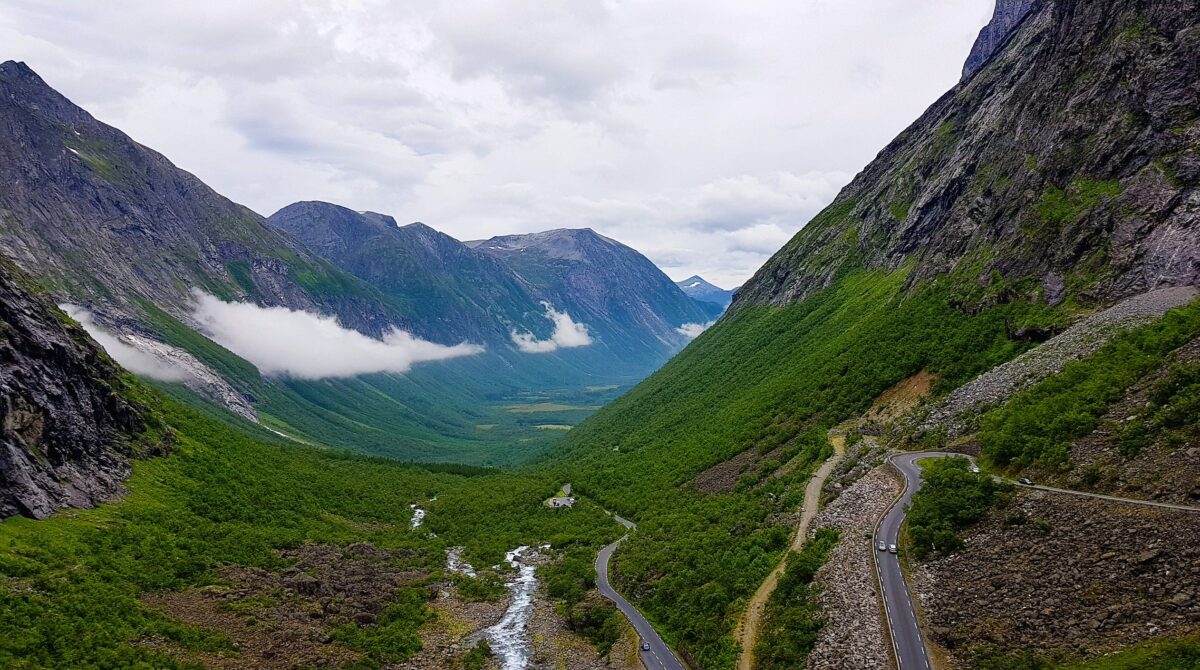
Trollstigen Scenic Road: Norway’s Most Spectacular Mountain Drive
The National Scenic Route between Valldal and Åndalsnes, better known as the Trollstigen Scenic Road, is one of the most spectacular road trips in Norway.
This legendary stretch of Route 63 takes you from fjord valleys, across windswept mountain plateaus, down eleven hairpin bends – and into deep valleys surrounded by towering peaks.
In just over 56 kilometers, this Norwegian scenic drive delivers some of the greatest landscape contrasts you’ll find anywhere. Drama, silence, engineering marvels, and raw wilderness – all on a single mountain pass.
This isn’t a road you drive to get somewhere fast.
This is a road you drive for the journey itself.

QUICK FACTS: Trollstigen Scenic Road
- Route: Route 63, Valldal to Åndalsnes (National Tourist Route)
- Distance: Approximately 56 kilometers (35 miles)
- Highest point: Around 850 meters (2,790 feet) above sea level
- Driving time: Allow minimum 1.5 hours – ideally 3–5 hours with stops
- Road features: 11 dramatic hairpin bends, 9% gradient, Stigfossen waterfall
- Landscape: High mountains, mountain forest, valley farms, rivers and waterfalls
- Season: Mid-May to October (Trollstigen Scenic Road and the plateau are closed in winter)
- Suitable for: All vehicles including motorhomes and campervans
ESSENTIAL STOPS ON THE TROLLSTIGEN ROUTE
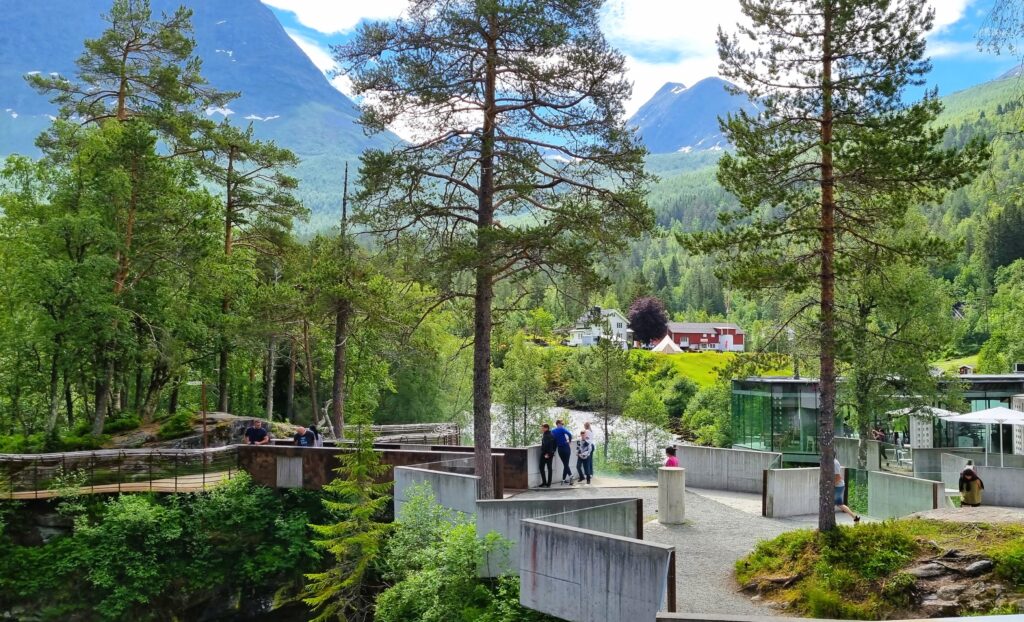
Gudbrandsjuvet: Parking at the entrance. A short path (5–10 minutes) leads to the gorge, one of the most dramatic stops along Trollstigen Scenic Road.
Øvstestølbrua Bridge: Parking by the bridge. Walk down to the river for the best experience.
Valldøla Viewpoint: Signposted from the road. Easy access. Views over the glacial river and valley.
Mountain Plateau: Multiple pullouts. Perfect for alpine experience, short walks, and photography.
Trollstigen Viewpoint Platform: Modern platforms at the summit with views directly down the serpentine road and Stigfossen waterfall. The highlight of the drive.

Stigrøra Bridge: The iconic stone bridge crossing Stigfossen waterfall, where the waterfall and the Trollstigen hairpin bends meet in dramatic scenery.
Trollstigen Fortun Viewpoint: Peaceful viewpoint with great angle toward the valley and mountains after the descent.
Trollstigen Gjestegård: A perfect stop before or after driving the Trollstigen Scenic Road. Accommodation and food at the end of Isterdalen.
Tip: With all stops – allow 3–5 hours for the complete route. It’s worth every minute.
A guide for the journey along the Trollstigen road between Valldal and Åndalsnes can be found here.
Valldal: Starting Point for the Trollstigen Scenic Road
Your road trip Norway adventure begins in Valldal (if you come from the south), known as the strawberry valley. Here, protected by mountains and warmed by the Storfjord, some of Norway’s finest strawberries and raspberries grow. In summer, roadside stalls sell fresh berries, jams, and juices.
Valldal center isn’t large, but it has everything you need. You’ll find a shop, gas station, and café – perfect for filling up your tank and stocking up on supplies before the spectacular drive ahead.
Before you leave the fjord behind, take a moment to look out over the water, perhaps lying mirror-calm in front of you, with tall mountains rising on the opposite side.
Behind the village, to the east, mountains rise steeply. Up there, hidden behind peaks and ridges, lies the famous Trollstigen mountain pass. But before you reach it, a series of natural wonders await along Route 63.
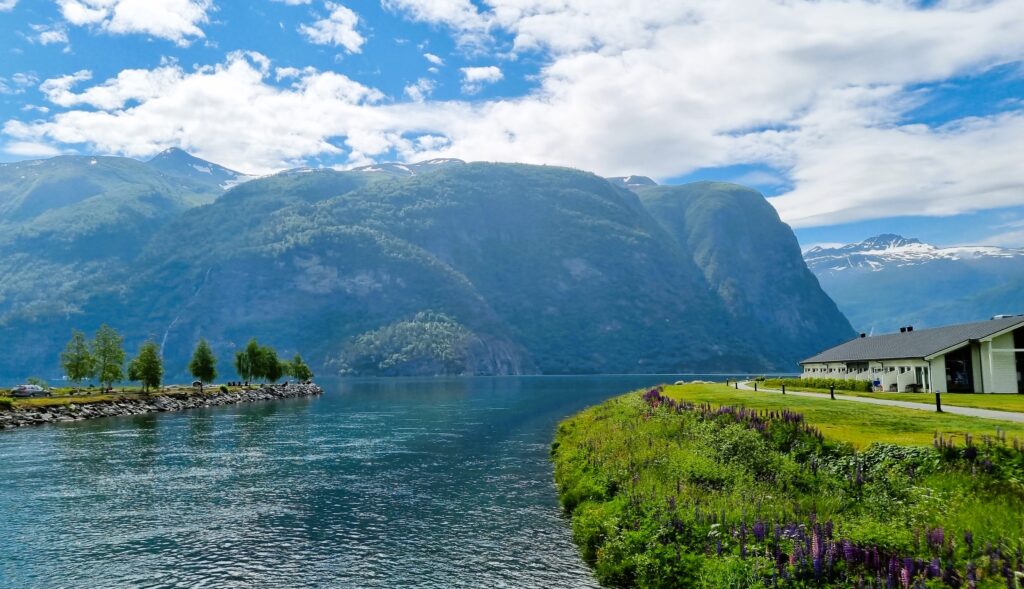
First Stop on the Trollstigen Route: Gudbrandsjuvet Gorge
Your first stop should be Gudbrandsjuvet. This isn’t just a natural phenomenon – it’s a work of art carved by water and time.
The gorge is a narrow ravine that the Valldøla river has carved through hard bedrock. At its narrowest, it’s barely two meters wide, while water thunders through with tremendous force.
The light conditions inside the gorge are magical. Sunlight filters down through the opening, reflects off the water, and bounces between the smooth stone walls.
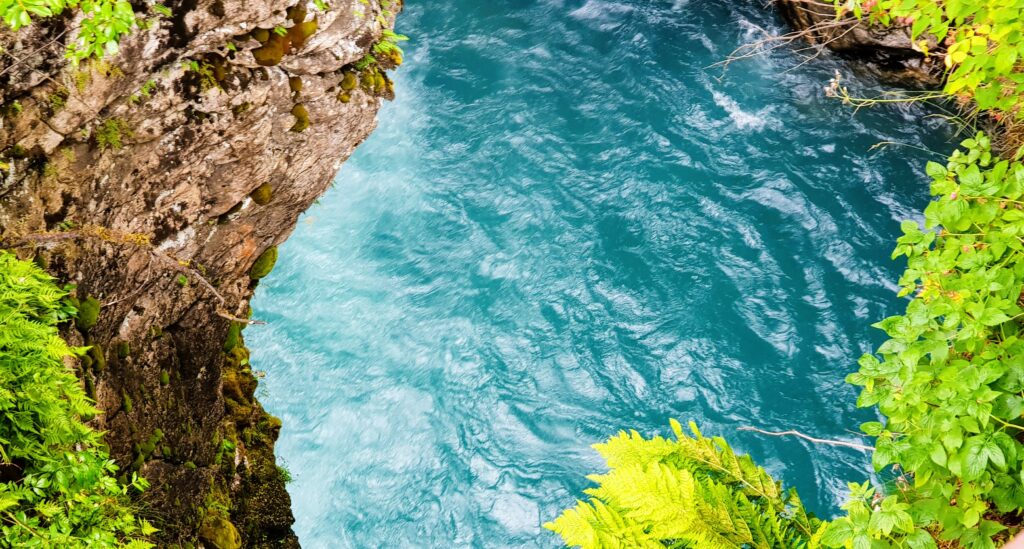
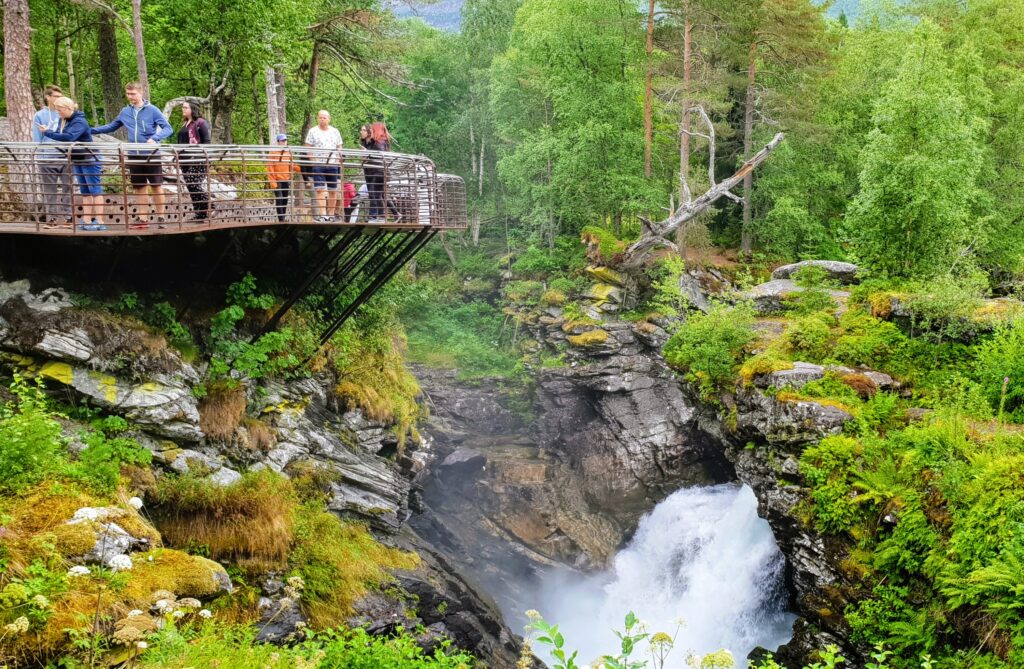
Viewing platforms for easy access
A modern system of steel walkways and viewing platforms lets you look straight down into the rushing water. Railings make it safe to get close enough to truly experience it.
Stand on the bridge crossing the gorge. Look down. Feel the vibration in the railing from the water’s power. This is geology in action.
The name comes from a legend about the outlaw Gudbrand, who in the 1500s is said to have jumped across the gorge at its narrowest point to escape pursuers after a bride kidnapping. The story may or may not be true – but it adds an extra layer of mystique to the place.
Øvstestølbrua: Historic Stone Bridge on Trollstigen Scenic Road
Further up the valley lies Øvstestølbrua – a stone arch bridge from the 1940s, a small masterpiece of functional beauty. Simple, solid, and perfectly adapted to its surroundings.
It is easy to simply drive across the modern concrete bridge on County Road 63 without giving the landscape a second thought. But stop. Step out of the car. Just beside today’s road, slightly above the foaming riverbed, stands the old Øvstestølbrua.
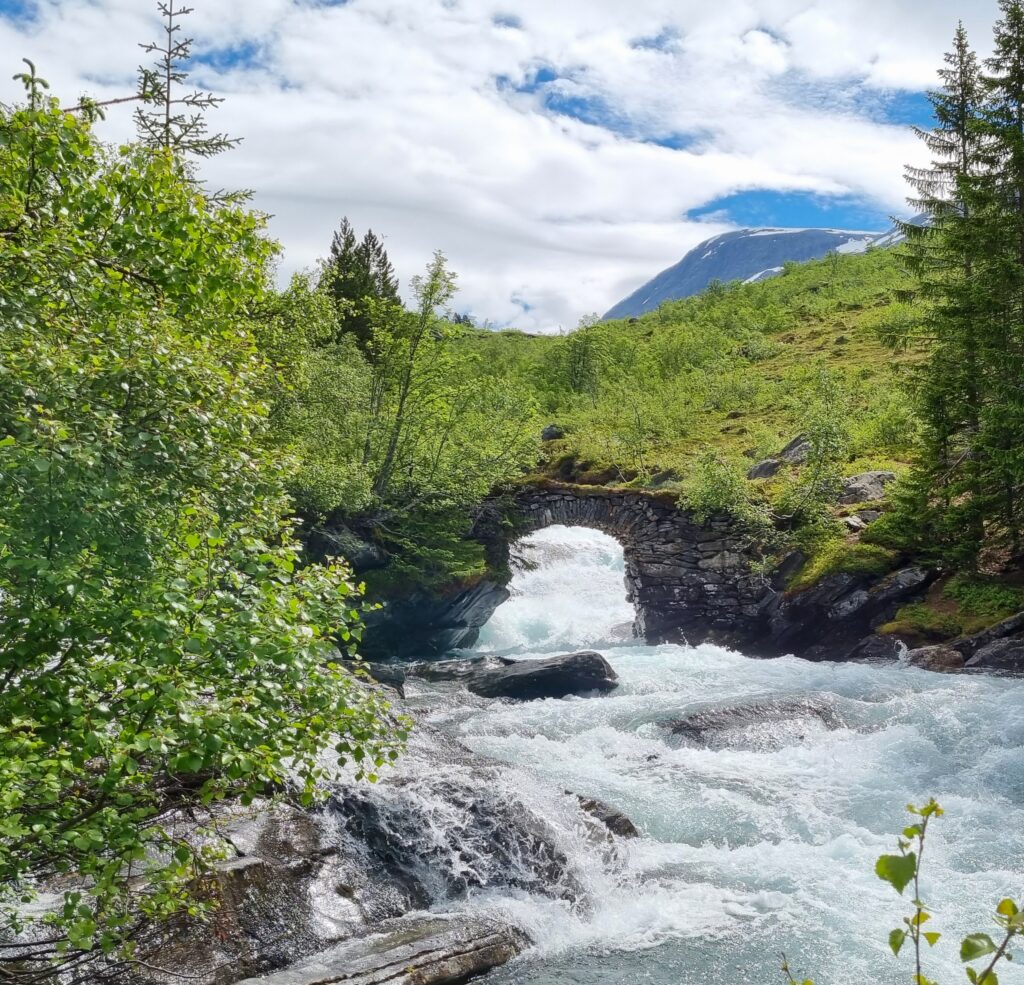
The old bridge: Ovstestølbrua
Take a closer look at the remarkable craftsmanship of the dry-stacked stones – each one carefully wedged into place by human hands more than a hundred years ago. Though it now appears small and modest as it rests above the gorge, this narrow stone arch carried the weight of heavy buses and thousands of vehicles heading toward Trollstigen for decades. Built in harmony with the mountain itself, it looks as though it has always been part of the riverbed.
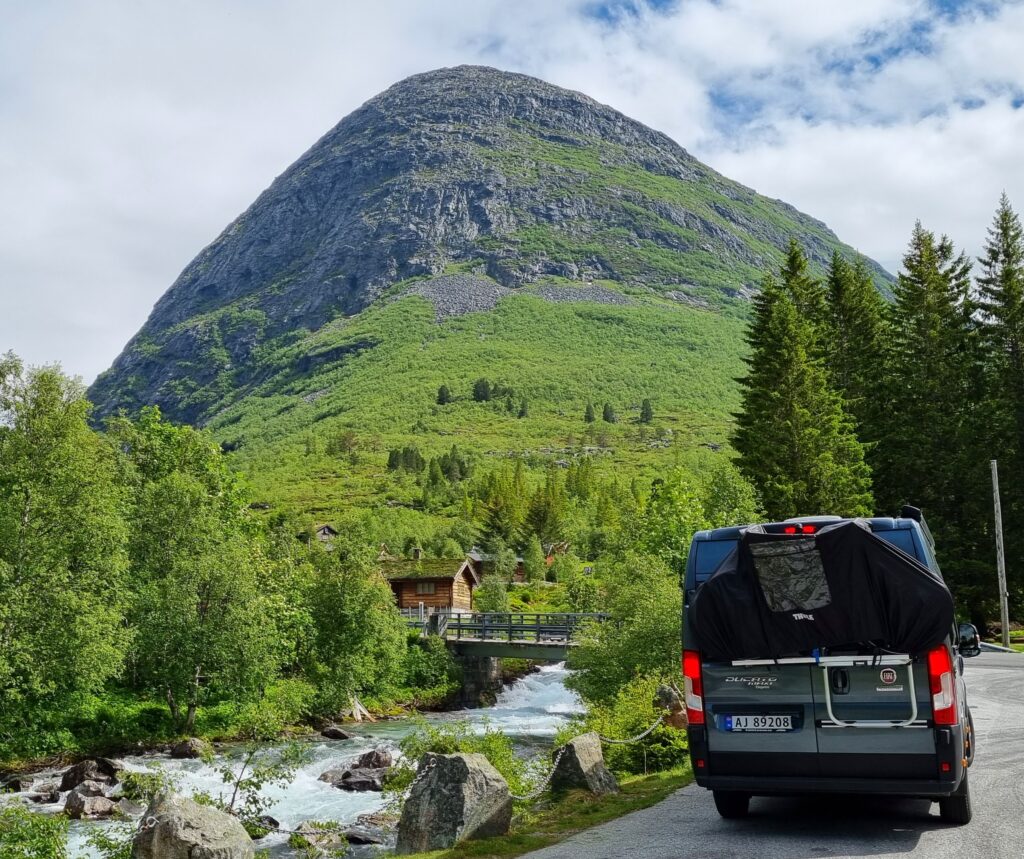
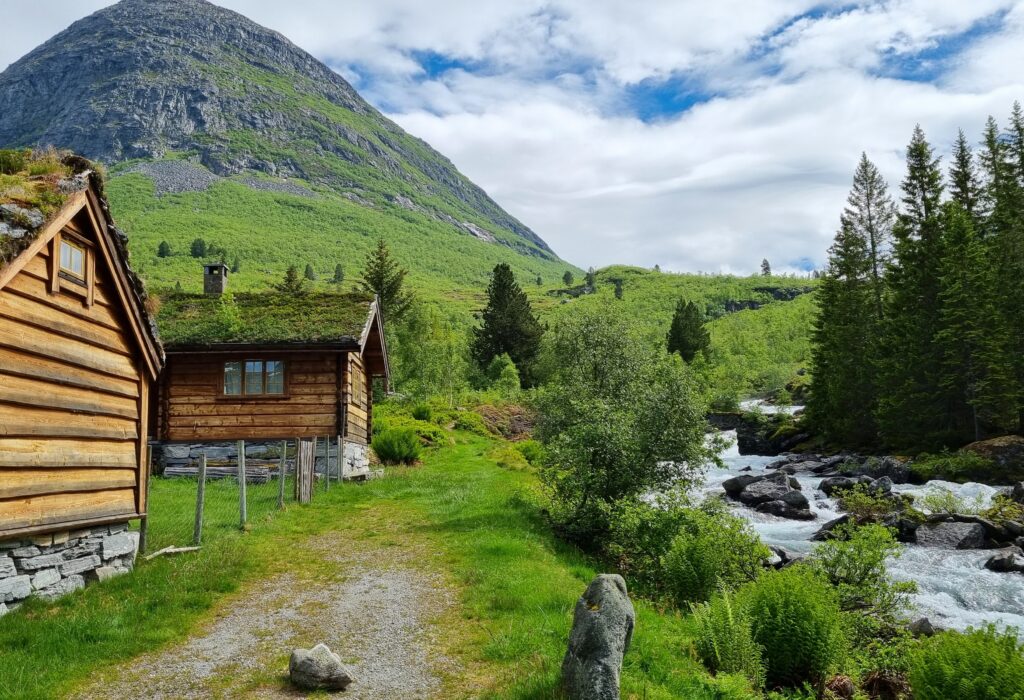
The area itself is worth a stop, not only for the bridge but for the surrounding scenery. Steep mountains rise on both sides, the river rushes below, and traces of old summer farms still cling to the landscape. It is one of my favorite stops along the road – quite simply because it is beautiful.
Valldøla River Viewpoint: Witness the Glacial Force
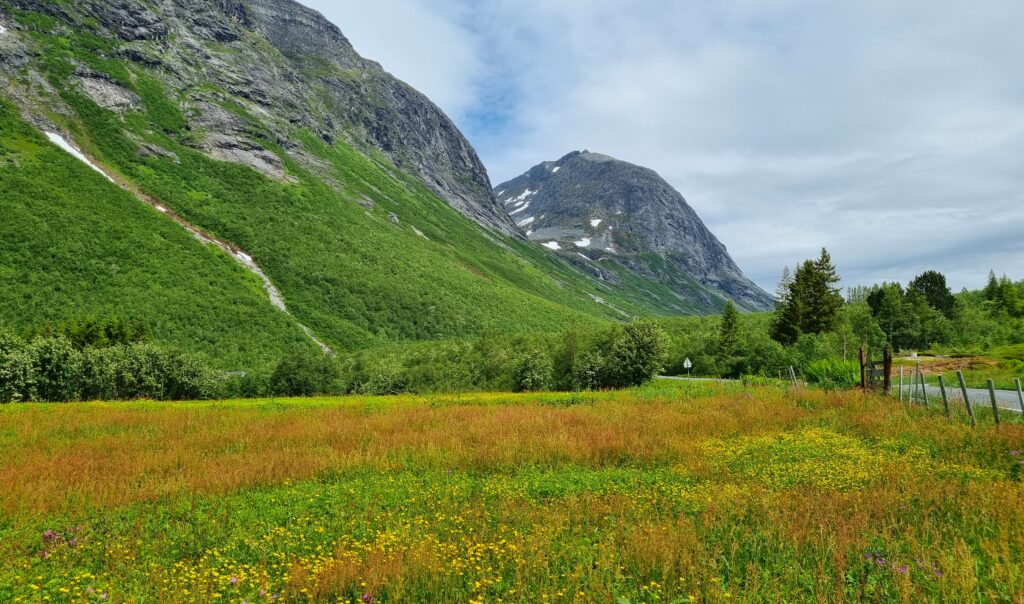
As you drive up the valley, the terrain grows steeper. The Valldøla river follows the road, powerful and relentless, and at the Valldøla viewpoint you can stop to look down at the river winding through the narrow valley.
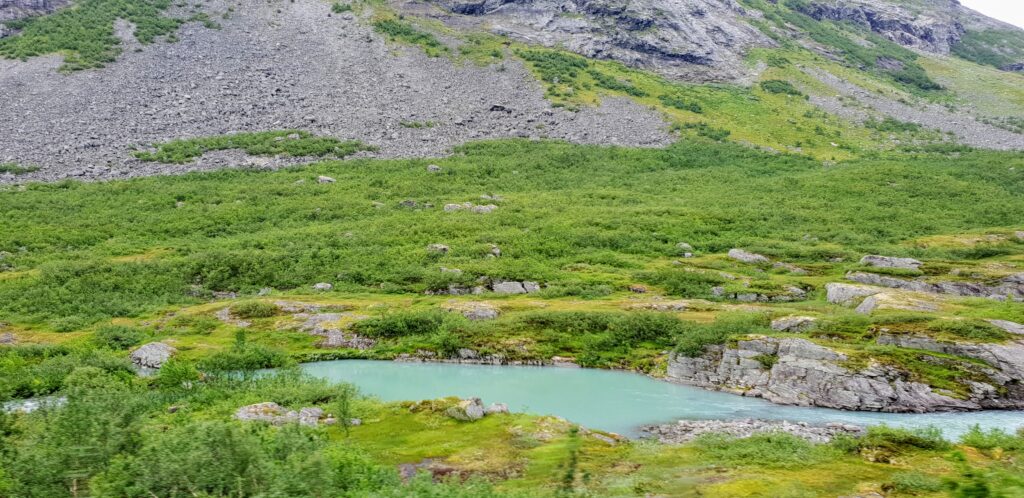
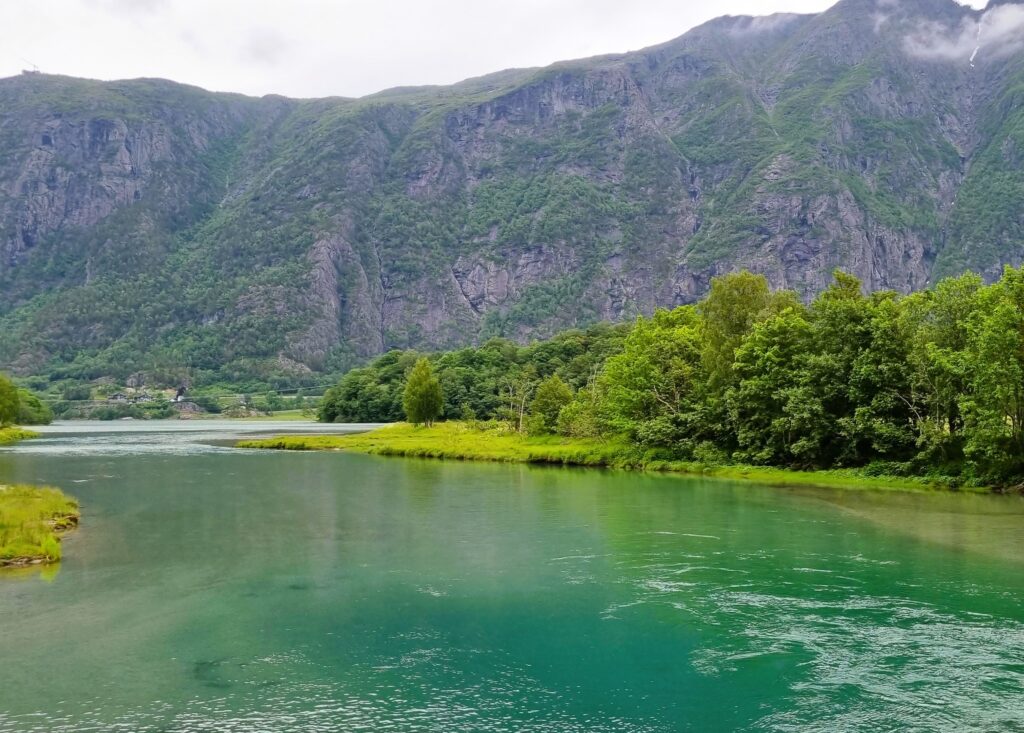
The water is milky white from glacial sediment – visible proof of the forces shaping this landscape. On sunny days it shimmers almost turquoise. On gray days it can look like liquid concrete.
The viewpoint is easily accessible, with parking right by it. When you step out of your motorhome or car, it’s the sound that greets you – the deep, constant roar telling you the river never rests. It simply follows gravity down toward the fjord.
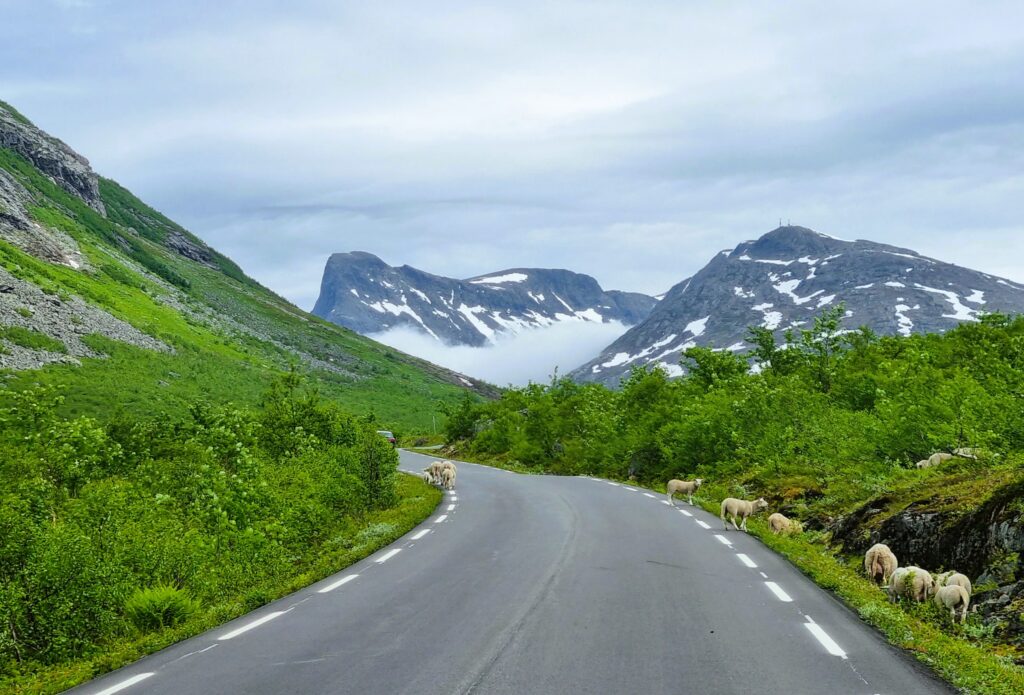
Crossing the Mountain Plateau: The Alpine Section of Trollstigen
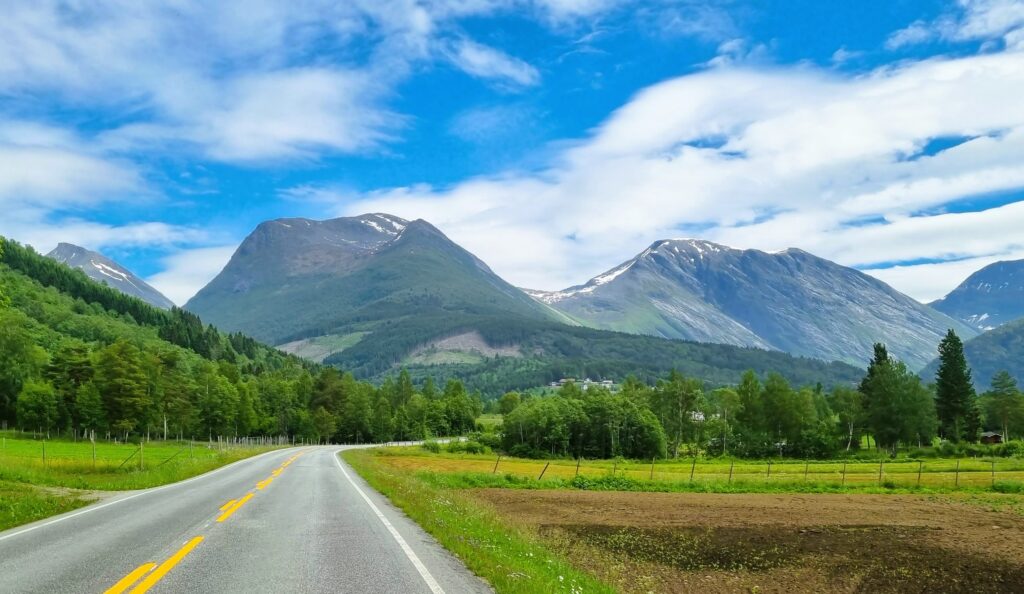
After Valldøla, the climb toward the alpine zone begins. The landscape changes gradually – the mountain forest grows denser, then thinner, and suddenly the trees disappear entirely. You’ve reached the mountain plateau.
Up here, at around 850 meters elevation, sheep graze in summer. Small mountain lakes mirror the clouds, stone cairns mark the road when snow lies thick in winter, and the low vegetation – birch, juniper, and lichen – clings to the ground as if it knows how exposed it is.
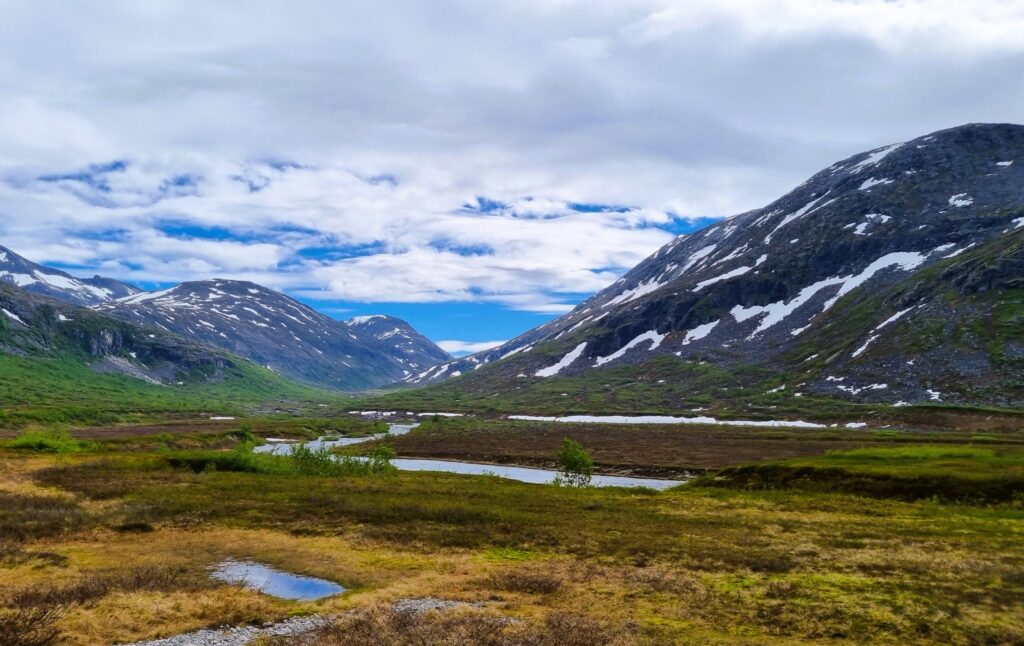
The Alpine Experience
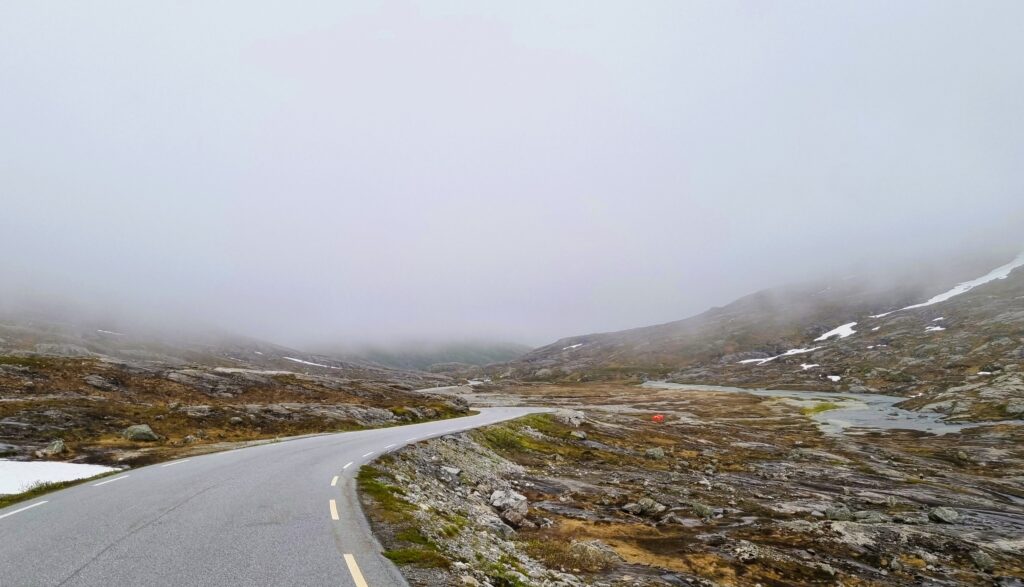
This is true alpine terrain – wet, barren, and beautiful in a different way from what’s to come. The road is wide here and easy to drive, but the landscape demands your attention. This isn’t a place to pass without taking in the views.
Stop at one of the many pullouts. Walk a few meters from your vehicle. Experience nature and take in the silence. Soon the descent toward Trollstigen begins – and this is where the drive becomes truly spectacular.
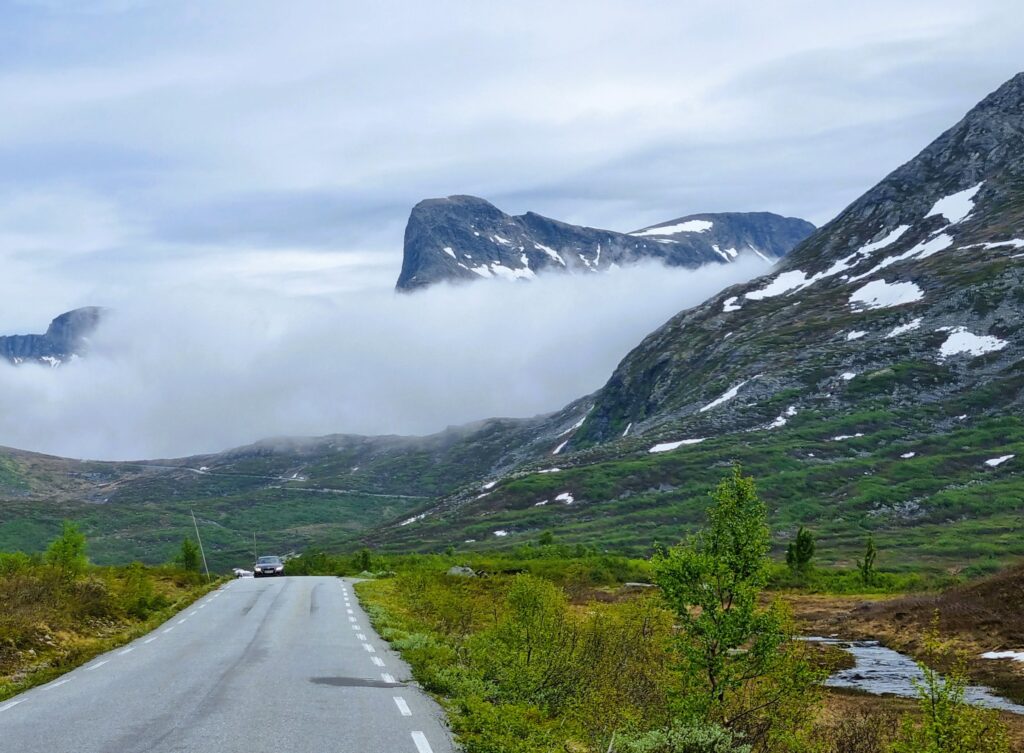
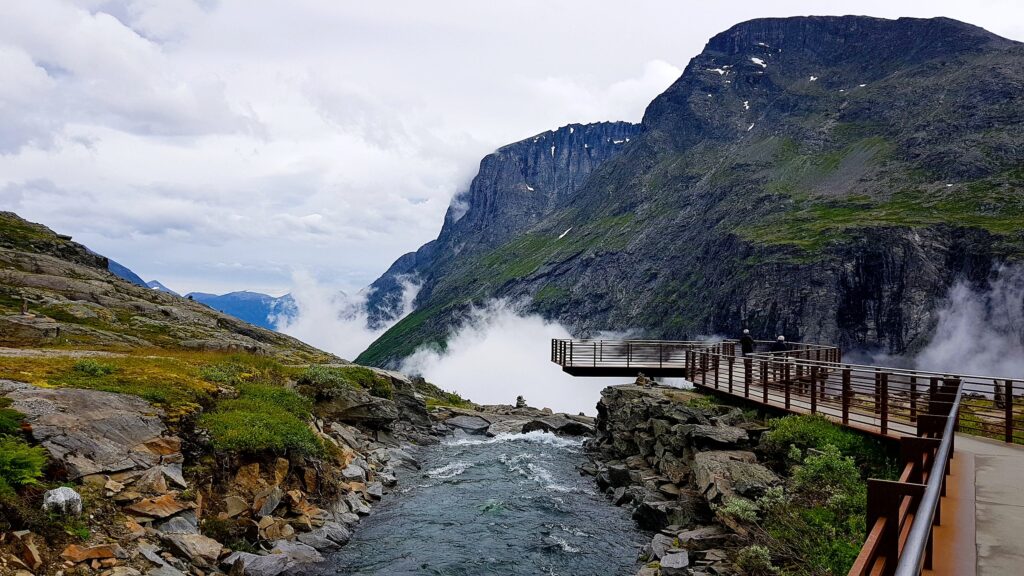
Trollstigen Viewpoint Platform: Norway’s Most Dramatic Panorama
Before you descend the famous hairpin bends, you’ll reach the viewpoint platform – for many visitors, the absolute highlight of driving the Trollstigen scenic road.
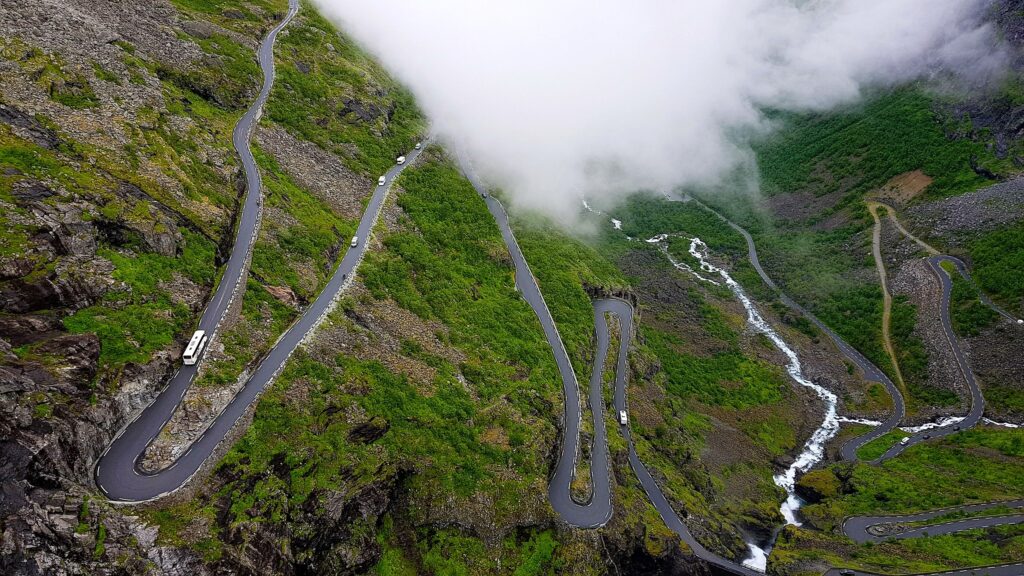
Here you can walk out onto modern viewing platforms and look straight down at the serpentine road you’re about to drive. The hairpin bends lie like a work of art on the mountainside, and the Stigfossen waterfall plunges down beneath you. From different angles you get new perspectives on the valley and surrounding mountains.
Take your time. Walk the entire loop. Feel the wind and take in the views. This is one of those places in Norway you really should experience with your own eyes.
When you’ve spent time enjoying the panorama, it’s time for the descent itself.

Driving Trollstigen’s Famous 11 Hairpin Bends
Now the drive down begins. This is what you came for.
Eleven hairpin bends wind down the mountainside, close to cliffs and waterfalls. With each turn, the view opens up more – both up toward the plateau you came from and down toward the valley ahead. The Stigfossen waterfall cascades down the rock face beside you, and on days with high water flow, you can feel the spray.
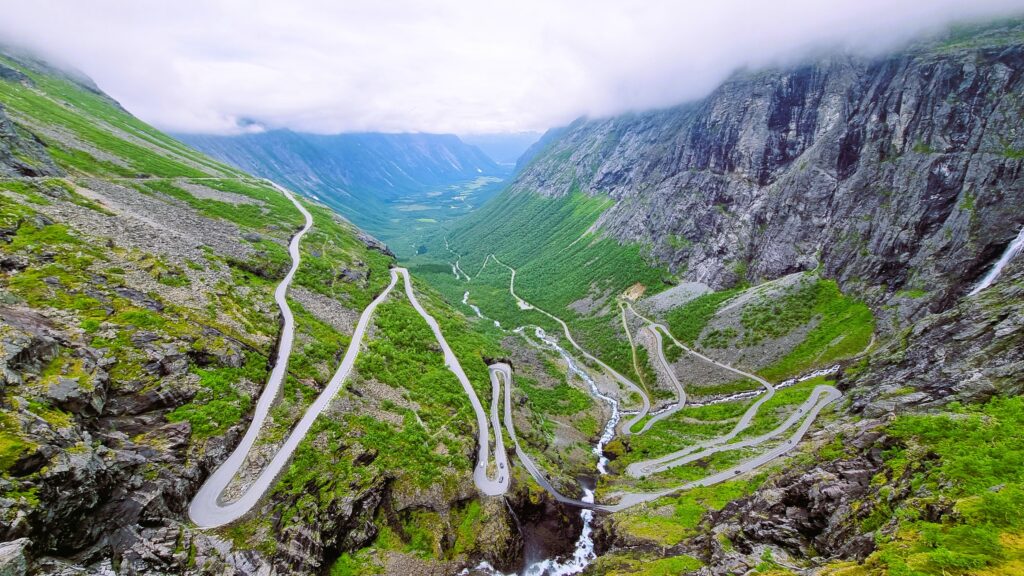
The descent is steep, but the road is solid and well-maintained. Still, it’s an experience that stays with you. You feel the height, the drama, and the contrasts. It’s impossible to remain indifferent here.
At Stigrøra Bridge – the iconic stone bridge over the Stigfossen waterfall – it’s natural to stop. Here, bridge, waterfall, and hairpin bends meet in perfect harmony. You can feel the spray from the falls, hear the roar of thousands of liters of water plunging down.
Read more about Trollstigen and the plateau here!

Descending Into Isterdalen Valley Toward Åndalsnes
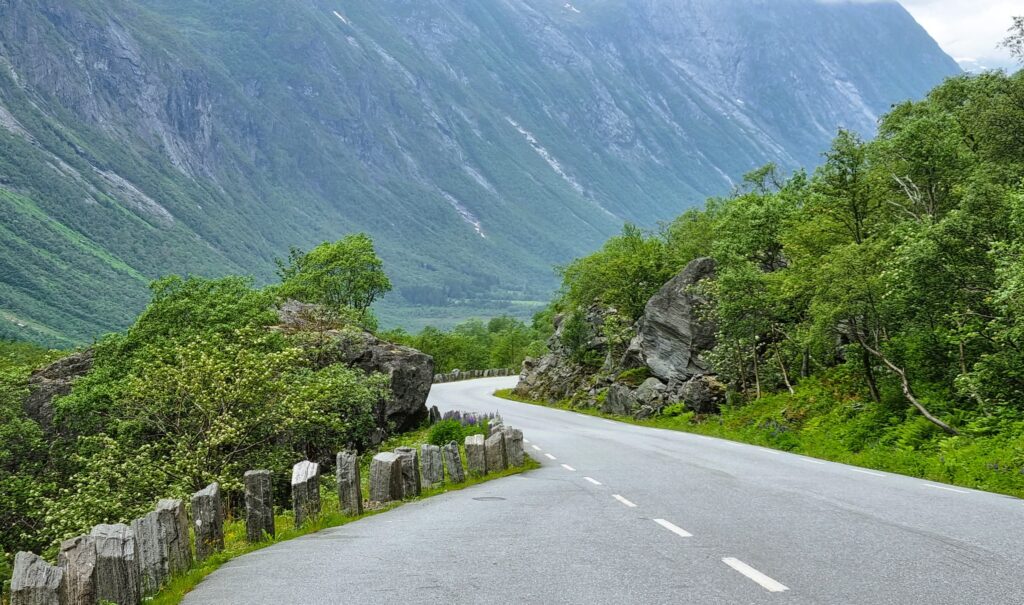
After the final hairpin bend, the terrain gradually levels out. You’re now driving down the Isterdalen valley – narrow and dramatic, with steep rock walls rising straight up on both sides. The river follows the road, and the landscape is wild and beautiful.
At Trollstigen Fortun lies a peaceful viewpoint with a great angle toward the valley and mountains – a perfect spot for one last break before reaching Åndalsnes.

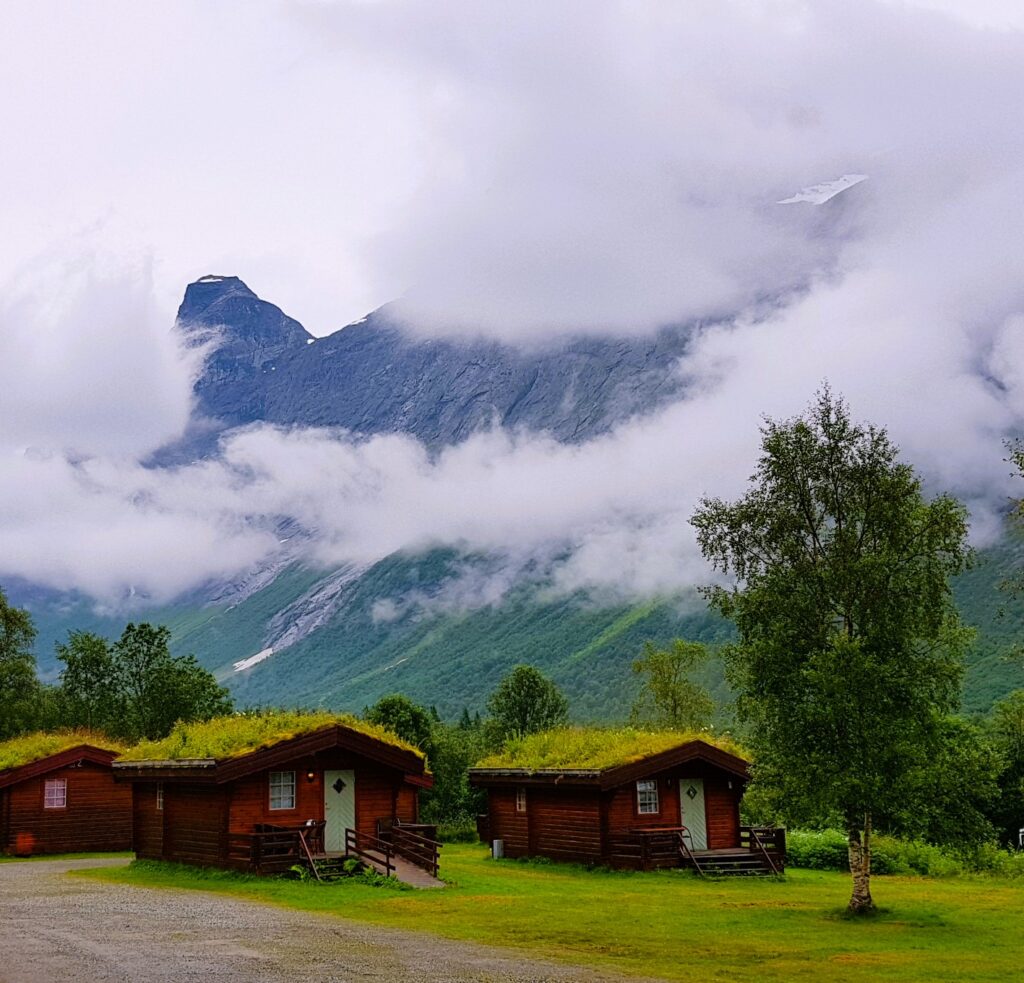
Trollstigen Gjestegård sits deep in the Isterdalen valley – a typical stop with refreshments and accommodation. Ideal if you want to start early the next day, or just need a coffee after the intense mountain drive.
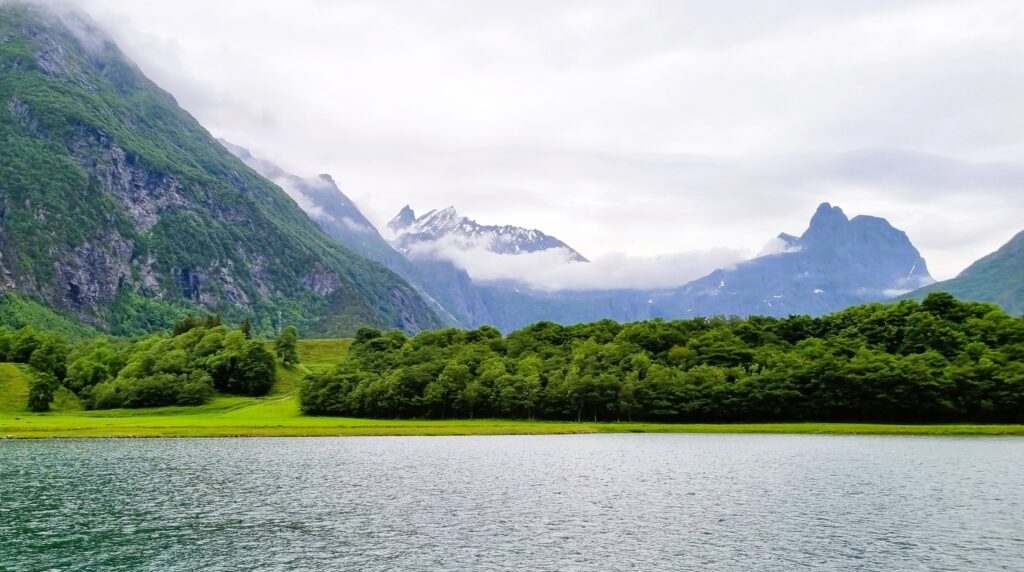
And then, after the final kilometers through the valley, Åndalsnes opens up before you – surrounded by some of Norway’s most dramatic mountains. This is where your road trip Trollstigen ends, by the Romsdalsfjord, with the Romsdal Alps as your backdrop.
PRACTICAL INFORMATION FOR DRIVING TROLLSTIGEN
Best time to drive Trollstigen: June for green mountains and high waterfalls. July–August for strawberries and warm weather. September for autumn colors. The road typically opens mid-May and closes in October.
Onward from Åndalsnes: Rauma Railway (one of the world’s most beautiful train journeys), Atlantic Road, or continue toward Molde, Kristiansund or Åndalsnes.
Accommodation: Both Valldal and Åndalsnes have hotels and campsites suitable for motorhome travelers.
Fuel stations: Available in Valldal center and Åndalsnes center. No fuel on the mountain pass – fill up before departure.
Driving direction: Both directions offer unique perspectives. Descending Trollstigen gives better views of the hairpin bends, while ascending builds anticipation gradually.
Motorhome and campervan access: Suitable for all vehicles including large motorhomes. The road is wider than it appears from below, and tourist coaches drive it daily during season.
Winter closure: Trollstigen closes for winter due to snow and avalanche risk. Check road conditions at vegvesen.no before your trip
Why the Trollstigen Scenic Road is a Must-Drive in Norway
The Trollstigen scenic road from Valldal to Åndalsnes is more than just a route between two towns. It’s an endless series of experiences that take your breath away. It’s a story of how Norway was created – by ice, water, wind, and time.
Each stop reveals a new chapter: the gorge as visual poetry, the river’s unwavering force, the plateau’s openness, the serpentine descent’s drama, the valley’s wilderness.
So drive slowly. Stop often. Let the place sink in.
And enjoy the journey!
– Anne Bente


2 Comments
Pingback:
Pingback: