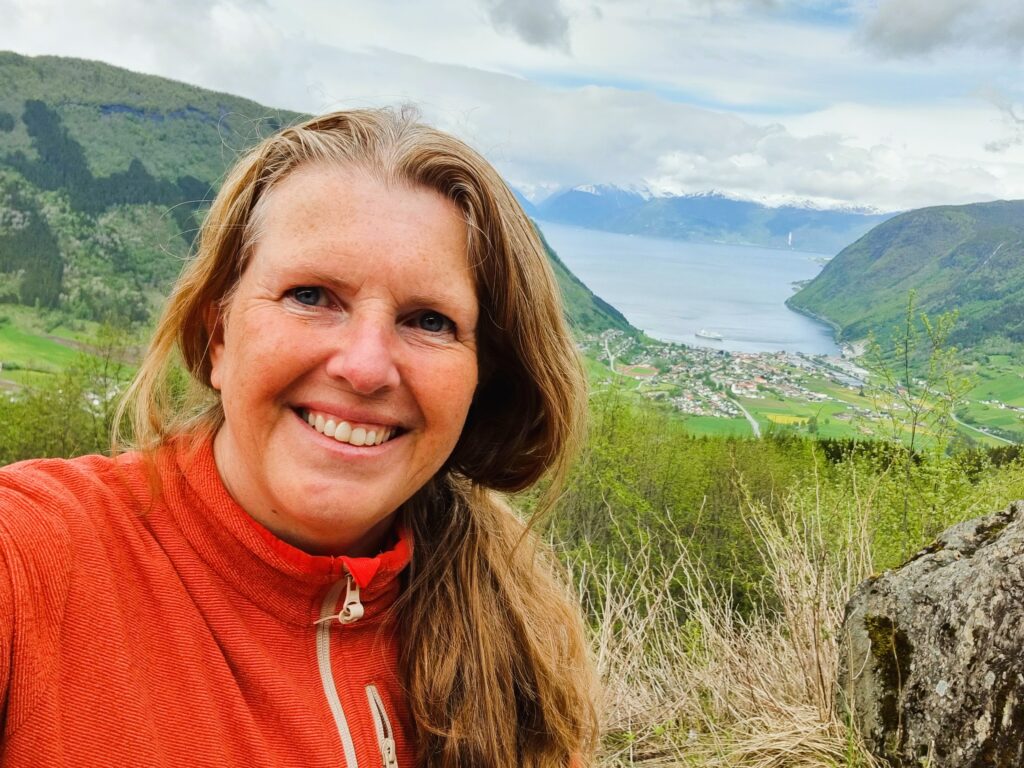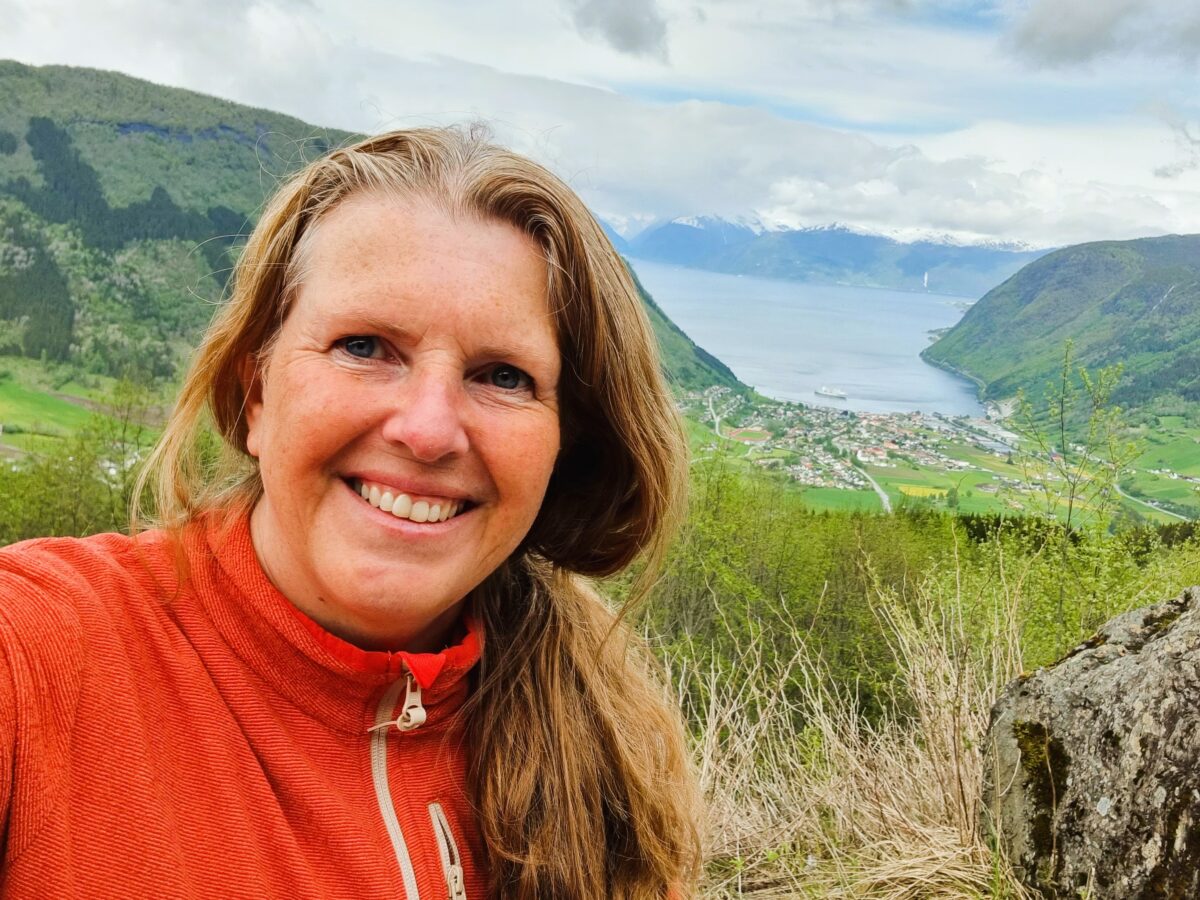
The Norwegian Way — Why Visitors Keep Coming Back
Norwegians can seem reserved at first. We don’t make small talk in queues. We don’t wave at strangers from across the street. We are comfortable with silence in a way that can feel unfamiliar to visitors from more expressive cultures.
But spend a little time here — or break down on a mountain road, or stand confused in front of a payment sign with no wifi — and you will discover something else entirely.
We are not cold. We are just quiet until there is a reason not to be.
And when that moment comes, we help. Practically, immediately, without making a fuss about it. No drama, no expectation of thanks — just the obvious thing, done simply.
It took a Swiss woman on a campsite in Telemark, a French woman with a handful of coins, and a German couple celebrating a 60th birthday far from home to make me see what we Norwegians have always taken for granted.
Norway is not just a destination. It is a feeling. And that feeling comes from the people as much as the landscape.
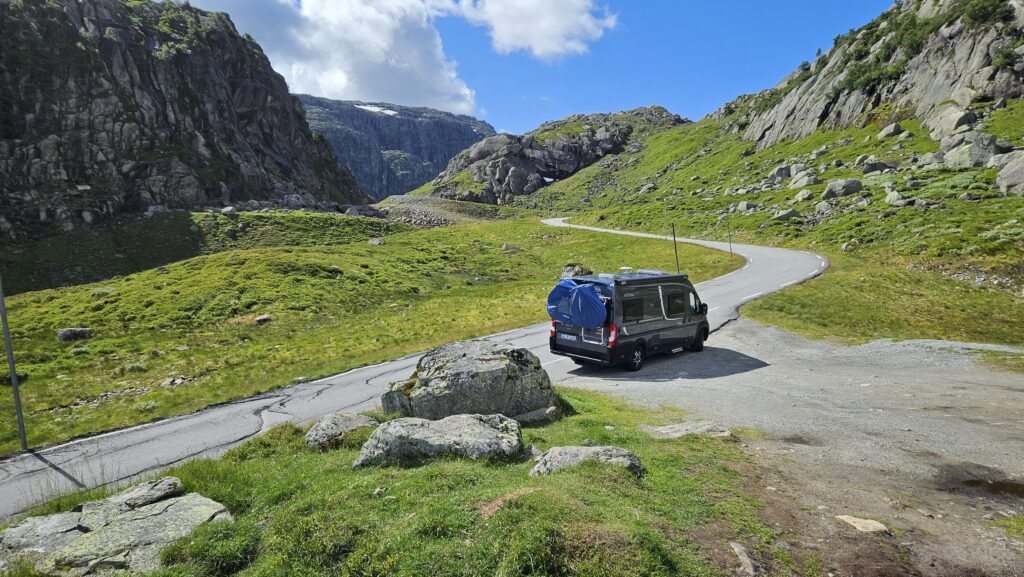
A campsite in Telemark
It was May. The valleys of Telemark were waking up after a long winter — the canal at Dalen lying still and dark between steep, forested hillsides. The campsite was nearly empty. Just us, a few other campervans, and a Swiss couple who had clearly done their homework on Norway — except for one thing.
Payment was by Vipps. Or download the app.
No wifi. No Norwegian phone number. No Vipps.
I could see them standing by the payment sign, looking at each other the way you do when you’re in a foreign country and something simple has suddenly become complicated. I walked over, explained the situation, and offered to pay for them with my Vipps. They could pay me back in cash.
The woman looked at me like I had suggested something extraordinary.
To me, it was just the obvious solution. To her, it was something else entirely — a stranger in a foreign country offering to handle their payment, no contract, no guarantee, just a casual “don’t worry about it.”
She told me she had only been in Norway for a few days. But she was already overwhelmed — by the landscapes, the roads, the sheer scale of it all. And now this.
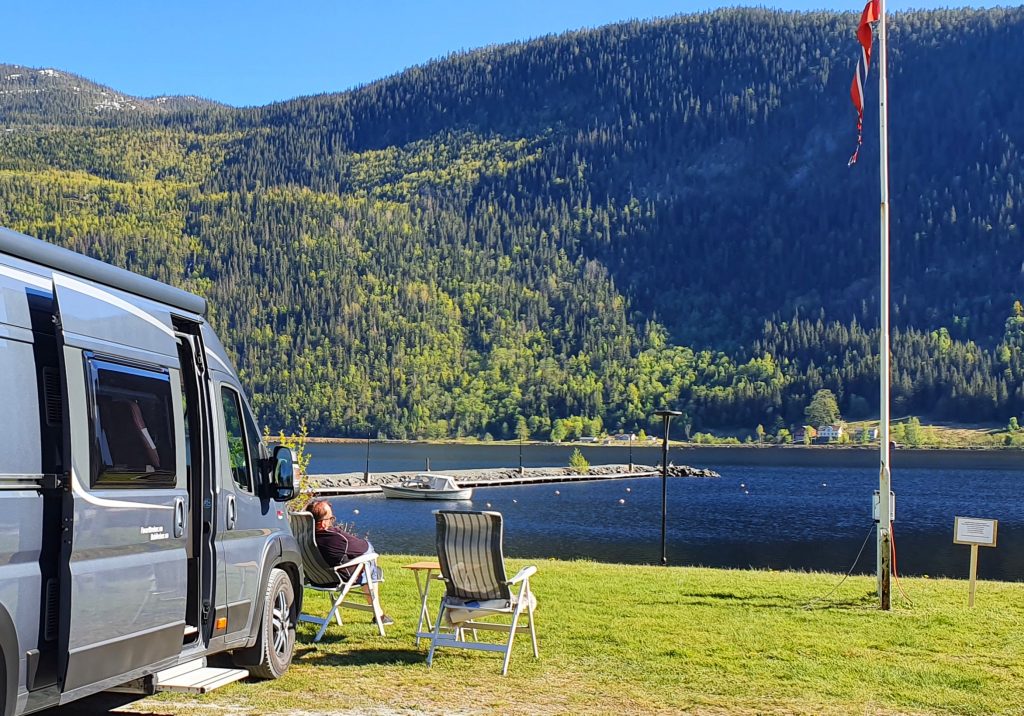
A handful of coins in France
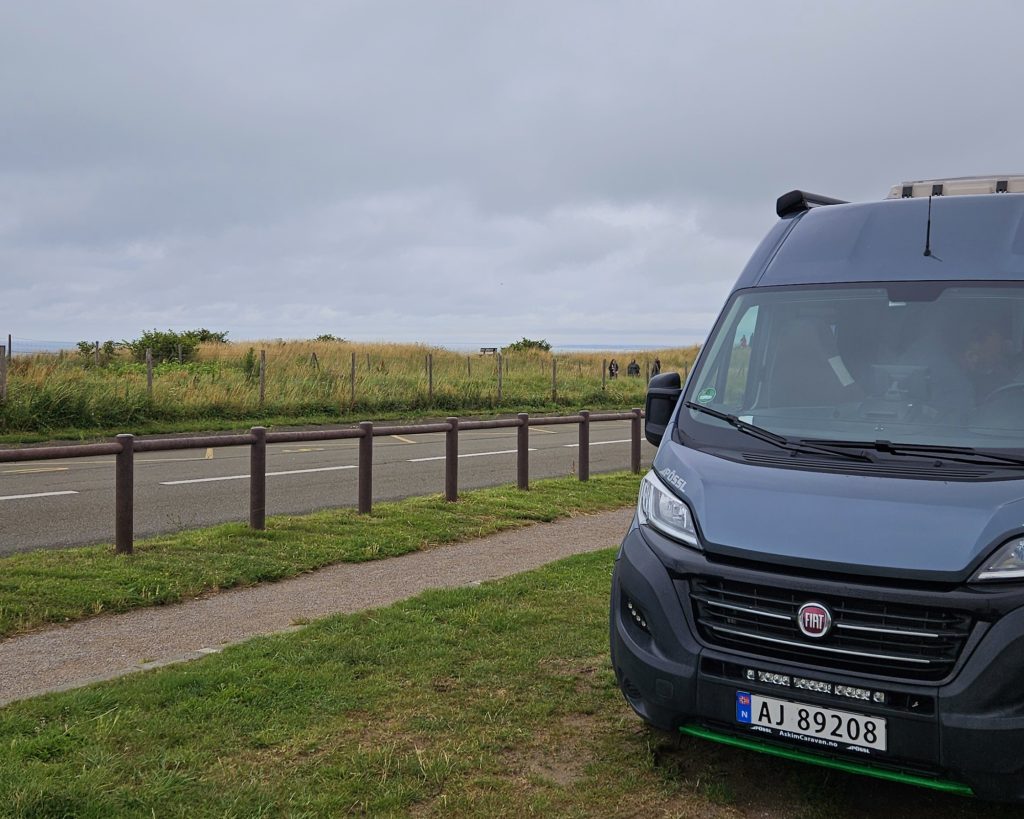
A while later we were on a campsite in France, far from Norway. A French woman spotted our Norwegian campervan and walked over — hand outstretched, full of Norwegian coins she no longer needed. She was on her way home from Norway and wanted to give them to us while she shared stories about her trip.
She didn’t want the coins to just sit in a drawer somewhere. They meant something to her.
That is the thing about Norway. People don’t just visit and move on. They come back to their campsites and tell strangers about it. They hold onto the small things — a handful of coins, a mountain view, a moment of unexpected kindness — because the trip left a mark.
Twenty times and counting
Then there was the German couple who told us they had been to Norway twenty times. Not because they hadn’t seen it all — but because they kept wanting to come back. They had loved it so much they brought the whole family to celebrate a 60th birthday there. Not Paris. Not Rome. Norway.
When someone chooses your country for the celebration of a lifetime, that says everything.

The Norwegian soul
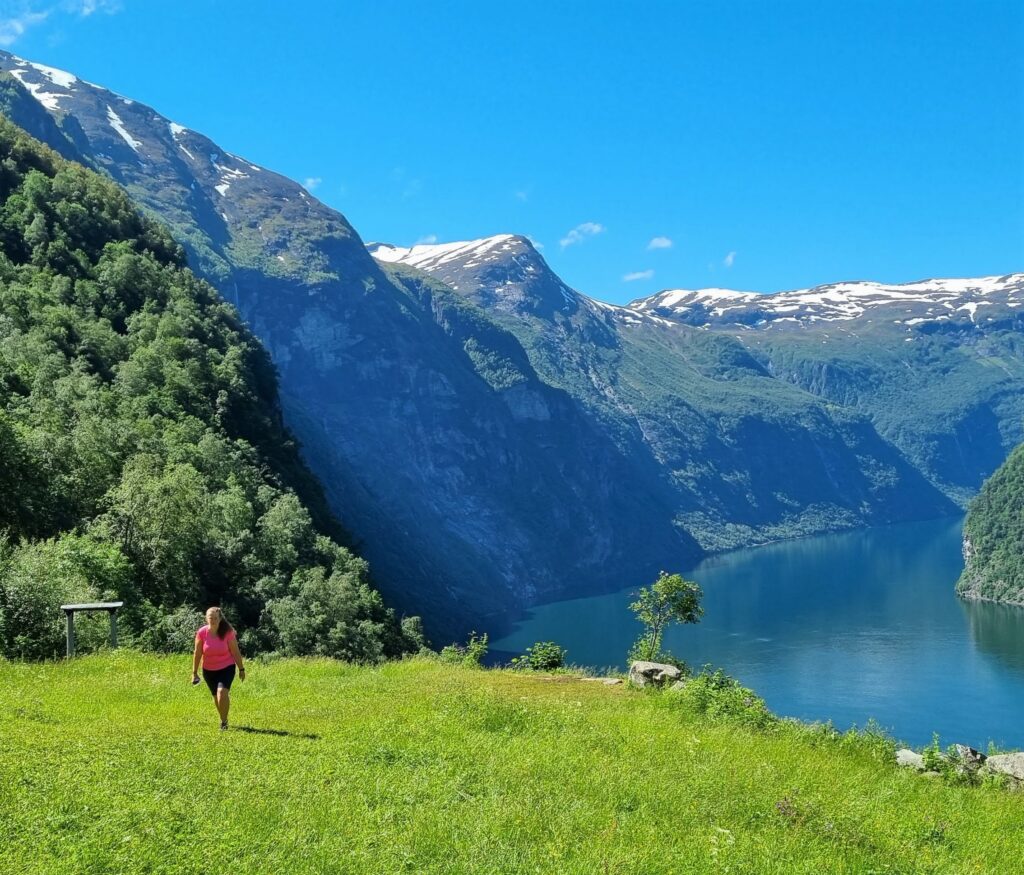
What makes Norway different is not something you will find in a brochure. It is not the fjords, the midnight sun or the mountain roads — though all of those will take your breath away.
It is the ease. The trust. The assumption that people are fundamentally good and that things will work out. It is a society built on equality and simplicity, where nobody is too important to help a stranger sort out a payment problem, and nobody is too proud to ask for help.
Friluftsliv — the Norwegian philosophy of outdoor life — is often described as a love of nature. But it is really a way of being in the world. Open. Present. Unhurried.
That is what the French woman carried home in her hand. Not just coins — but a feeling she did not want to let go of.
If you visit Norway, you will almost certainly leave with the same thing.
Warm greetings from the road — Anne Bente